Collision repair timelines can feel vague until your car is the one sitting in the shop. One estimate says a few days, another says two weeks, and suddenly you are wondering what is realistic and what is just a best-case scenario.
The truth is, the timeline depends on what the damage is doing beneath the surface.
Why Collision Repair Timelines Vary So Much
Two cars can have similar-looking dents and still need very different repair paths. One might have a clean bolt-on panel replacement, while the other has hidden structure shifts that affect fitment and safety systems. That is why time estimates usually start as a range, not a guarantee.
Your timeline also depends on the steps outside the actual hands-on repair, like approvals and parts delivery. Even a straightforward job can slow down if a single part is backordered. The good news is most delays have a clear reason once the process is explained.
The First Steps: Teardown And A Real Estimate
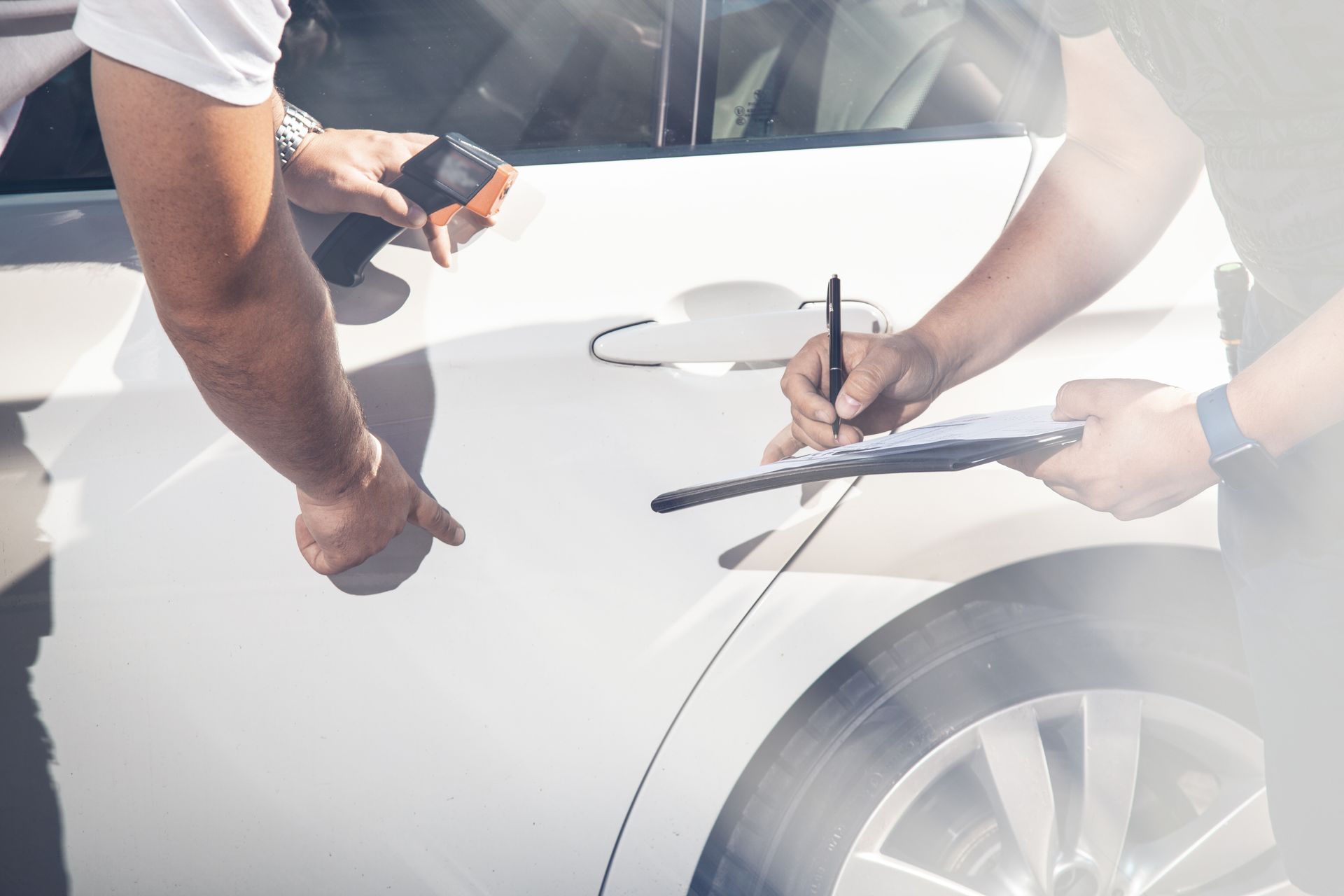
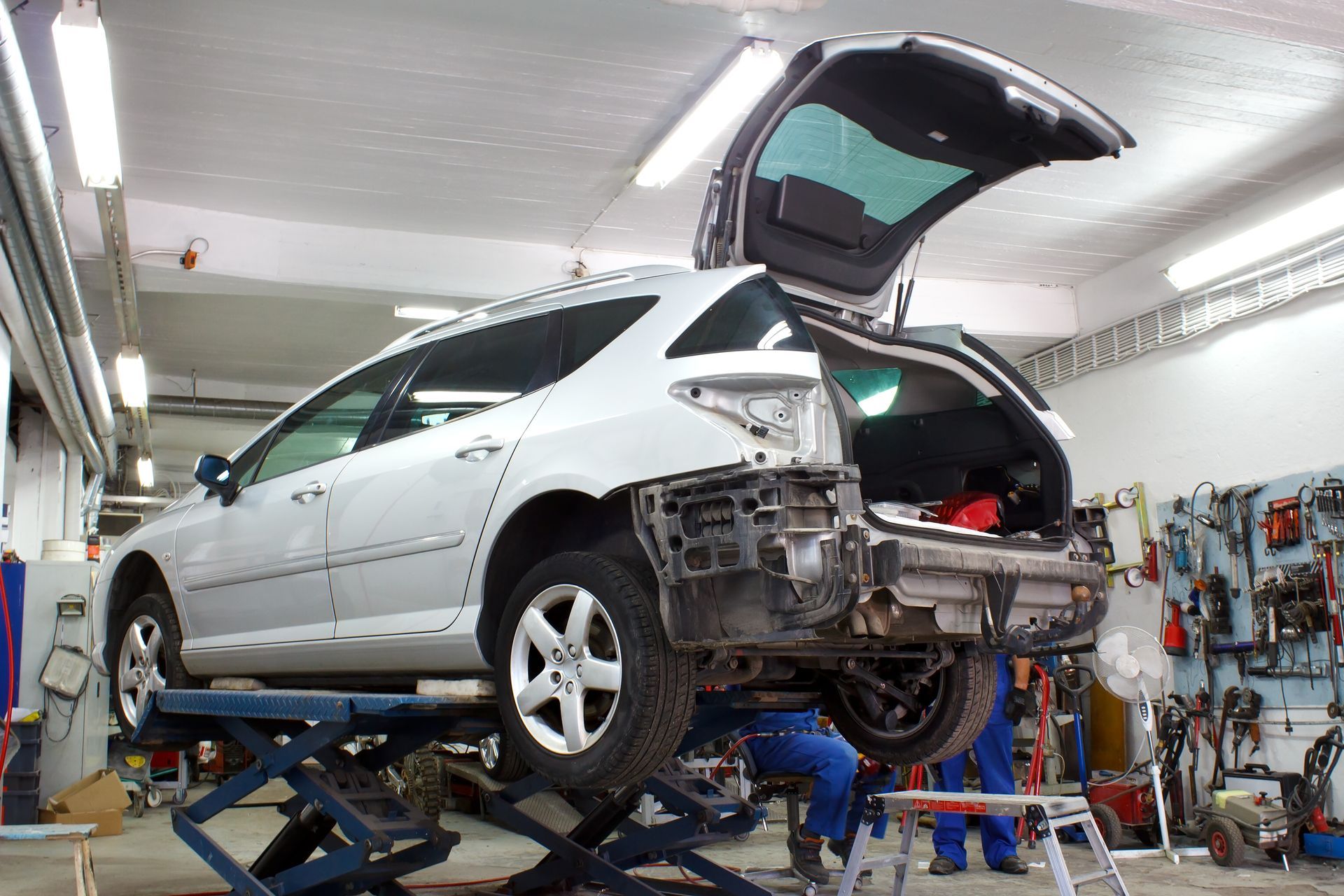
The first stage is getting an accurate picture of what is damaged. That often means a teardown where trim, liners, and damaged panels are removed so the underlying areas can be seen. A proper inspection at this point prevents surprises later, even if it adds a little time up front.
Once the hidden damage is visible, the estimate can be refined and submitted for approval if insurance is involved. This is also when the repair plan is built, including what will be repaired versus replaced. The clearer the plan is at this stage, the fewer mid-repair pauses you tend to experience.
Parts Availability And How One Part Can Stall Everything
Parts availability is one of the biggest timeline wild cards. Some parts arrive the same day, while others take longer because of supply chain delays, shipping time, or limited inventory. Specialty trim, sensors, and certain lighting assemblies are common culprits for delays.
There is also the question of part type. OEM parts, aftermarket parts, and recycled parts can each have different lead times, and not every option is available for every vehicle. If a part arrives damaged or does not fit correctly, it can add time because a replacement has to be ordered and shipped again.
Structural Work And Hidden Alignment Issues
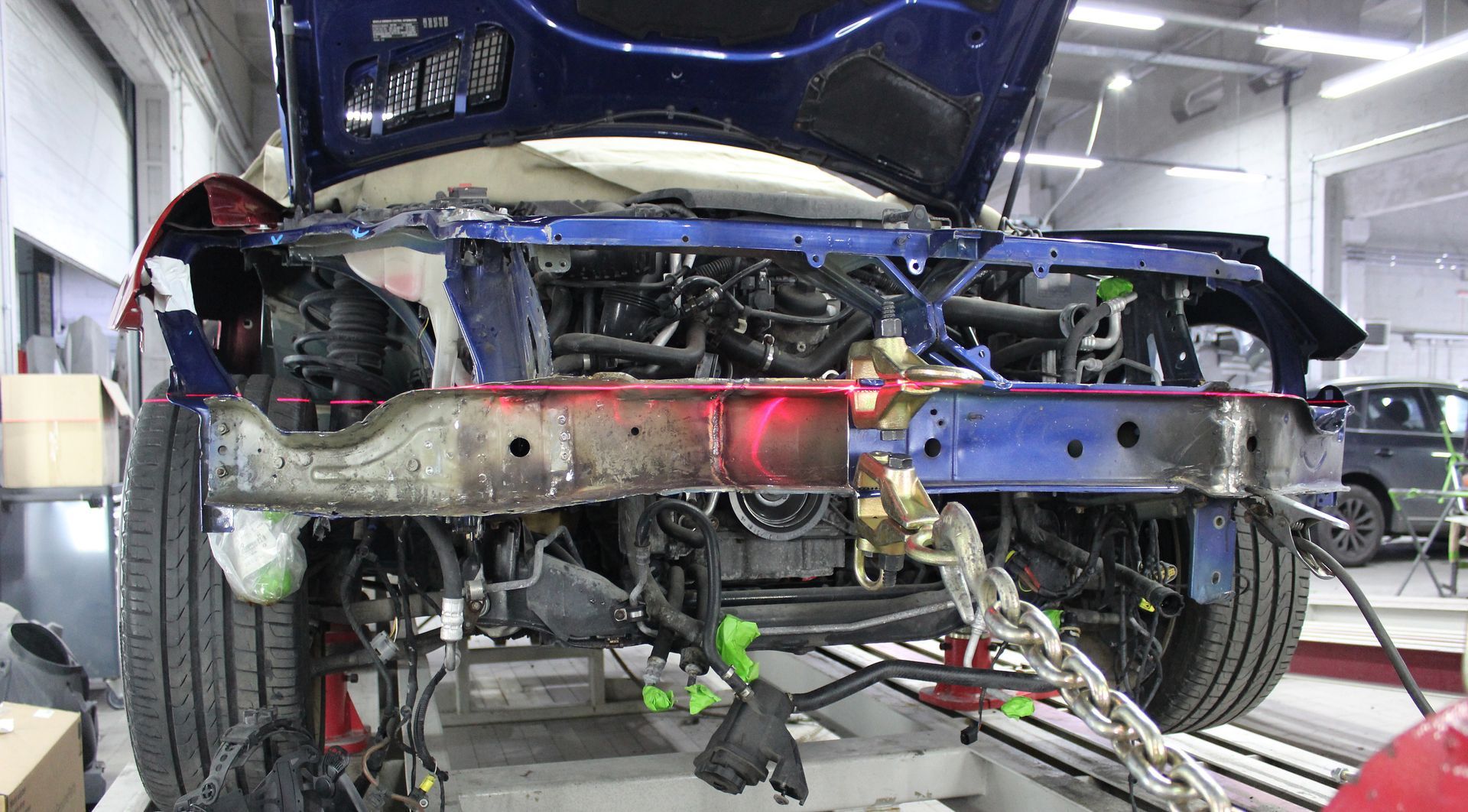
If the vehicle has structural damage, the repair timeline usually increases. Structural pulls and measuring require careful setup and verification so the vehicle returns to correct dimensions. That step matters because panel gaps, door operation, and safety performance all depend on the structure being right.
Even without major structural damage, a hard hit can shift mounting points enough to affect fitment. That can mean extra time test-fitting panels, adjusting alignment points, and confirming everything closes and seals correctly. Done right, this prevents wind noise, water leaks, and misaligned body lines later.
Panel Repair Versus Panel Replacement Time
Repairing a panel can take longer than replacing it, depending on how the metal is stretched and where the damage sits. A crease along a body line or damage near an edge often requires more finishing work to restore shape. Replacement can be faster, but it still requires proper fitment and prep.
The decision is not just about speed. A repair should restore strength and appearance, and a replacement should fit correctly with proper corrosion protection. Either way, the goal is a result that looks right and holds up, not just a quick turnaround.
Paint, Curing, And Reassembly Work
Paint is not just spraying color and calling it done. Surfaces have to be prepped, primed, sealed, and then painted with the correct blend so the color matches surrounding panels. After paint, curing time matters, and then the vehicle moves into reassembly.
Reassembly is where a lot of details get handled. Clips, liners, seals, lights, and trim all have to go back correctly, and that takes time when it is done carefully. This is also when a shop checks for rattles, panel alignment, and proper function of all reinstalled components.
ADAS Calibrations And Post-Repair Checks
Many newer vehicles require calibrations after collision work, especially if cameras, radar, or sensors were affected. Even a bumper replacement can trigger calibration needs if sensors are mounted in that area. This can add time because calibration requires specific procedures and sometimes a controlled environment.
Post-repair checks also include confirming lights, wipers, HVAC function, and road behavior. If alignment or wheel issues were involved in the collision, additional steps may be needed to confirm the vehicle tracks correctly. These checks are a big part of why the repair is reliable after you pick it up.
How You Can Help The Process Move Faster
Some parts of the timeline are out of your hands, but a few things help. Responding quickly to approval questions, providing accurate insurance information, and letting the shop know about any scheduling constraints early can reduce delays. Keeping your contact info current also matters more than people think.
It also helps when the vehicle is in good overall condition. Regular maintenance does not prevent crashes, but it can reduce extra complications, like worn tires or existing warning lights that muddy the post-repair test drive. Clear communication and a clear vehicle history make the finish line easier.
Get Collision Repair Timeline Help In Melvindale, MI, With B & K Collision
B & K Collision in Melvindale, MI, can explain what your repair will realistically take, why each step matters, and what could affect the schedule once the vehicle is torn down and parts are ordered.
Book a visit and get a clear timeline you can plan around.