When temperatures drop, any dings, scratches, or older collision damage on your car tend to look worse and sometimes spread faster. A small chip in the paint that seemed harmless in the fall can turn into bubbling rust or a jagged crack by spring.
Winter brings a mix of cold, moisture, and road salt that is very hard on exposed metal and weakened panels, especially if repairs have been delayed for a few seasons.
How Winter Conditions Attack Existing Body Damage
Your vehicle’s paint, clear coat, and primer form a shield over the metal underneath. When that shield is broken by a stone chip, scrape, or dent, bare metal or thin coatings are left exposed. Cold air, melting snow, and salty slush work their way into those openings, especially around wheel arches, rocker panels, and lower doors.
As the temperature swings above and below freezing, that trapped moisture expands and contracts. Each cycle can lift paint edges, widen small cracks, and open up seams where panels meet. What started as a cosmetic flaw can become a pathway for corrosion to spread underneath the finish.
Why Small Chips and Scratches Grow in the Cold
Paint and metal expand and contract at slightly different rates. In warm weather, you may never notice it, but in winter, those differences become more obvious. Around a chip or scratch, the paint edge is already weakened. When cold shrinks the panel, that brittle edge can lift, curl, or flake away.
If you drive through snow and slush, those rough edges get blasted by sand, small stones, and ice chunks thrown up by other vehicles. Our technicians often see damage that clearly started as a tiny chip but has peeled into a larger bare spot by the time winter is over. Once that happens, the repair usually involves more prep work than it would have when the damage was fresh.
Road Salt, Moisture, and Rust Spread
Salt is one of the biggest reasons cold weather speeds up body damage. It holds moisture against metal for longer than plain water would. When salt-filled slush dries, it leaves a film that continues to attract humidity from the air, so the metal is rarely truly dry. Anywhere paint is thin, chipped, or cracked becomes a rust hot spot.
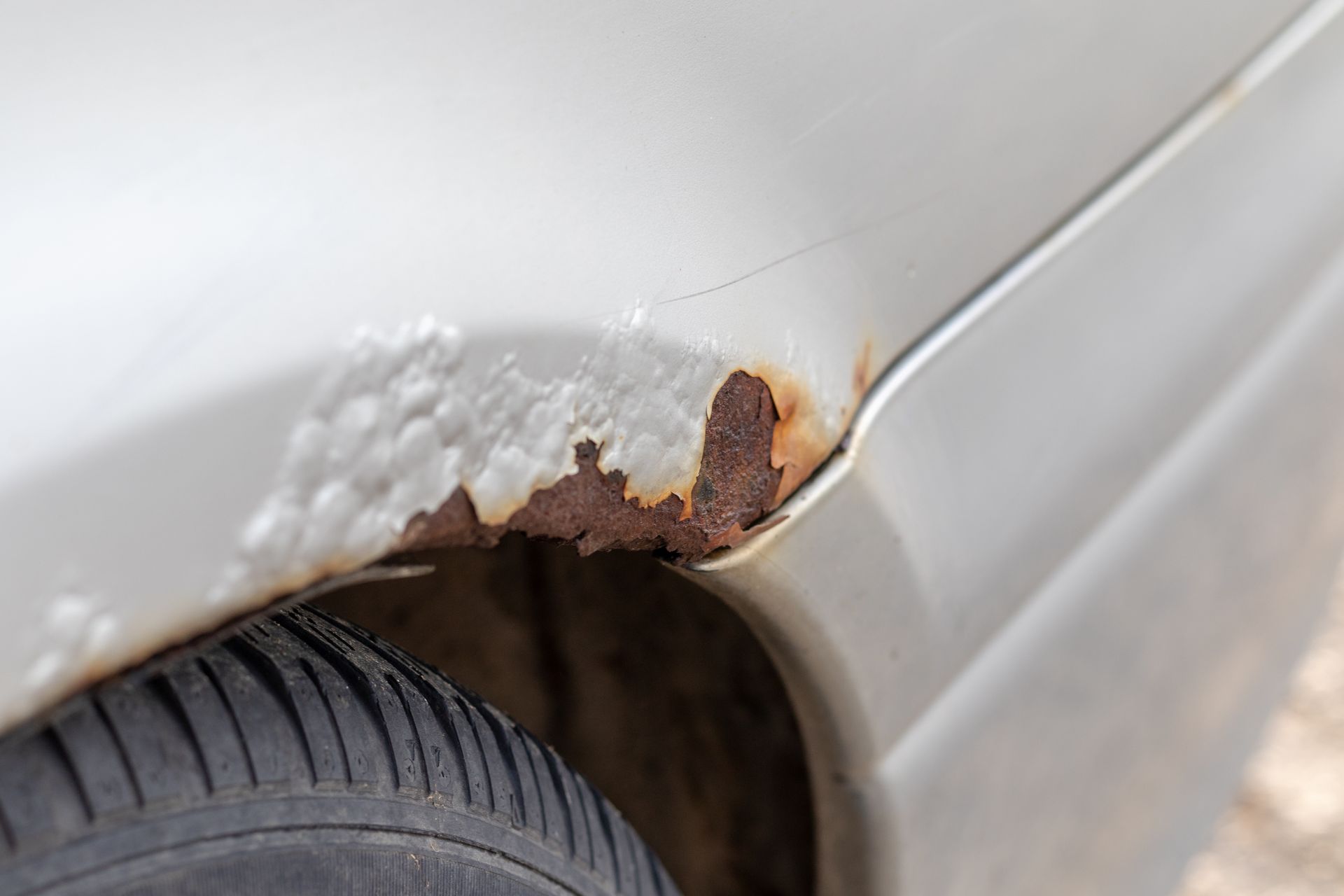
You will often see early signs along the inner lips of wheel arches, the lower edges of doors, and around previous repair areas. Bubbles under the paint, orange staining at seams, or rough texture near an old scratch all suggest corrosion is moving under the finish. If that continues, rust can eventually push the paint off in sheets instead of small flakes.
Hidden Damage Around Bumpers, Welds, and Panels
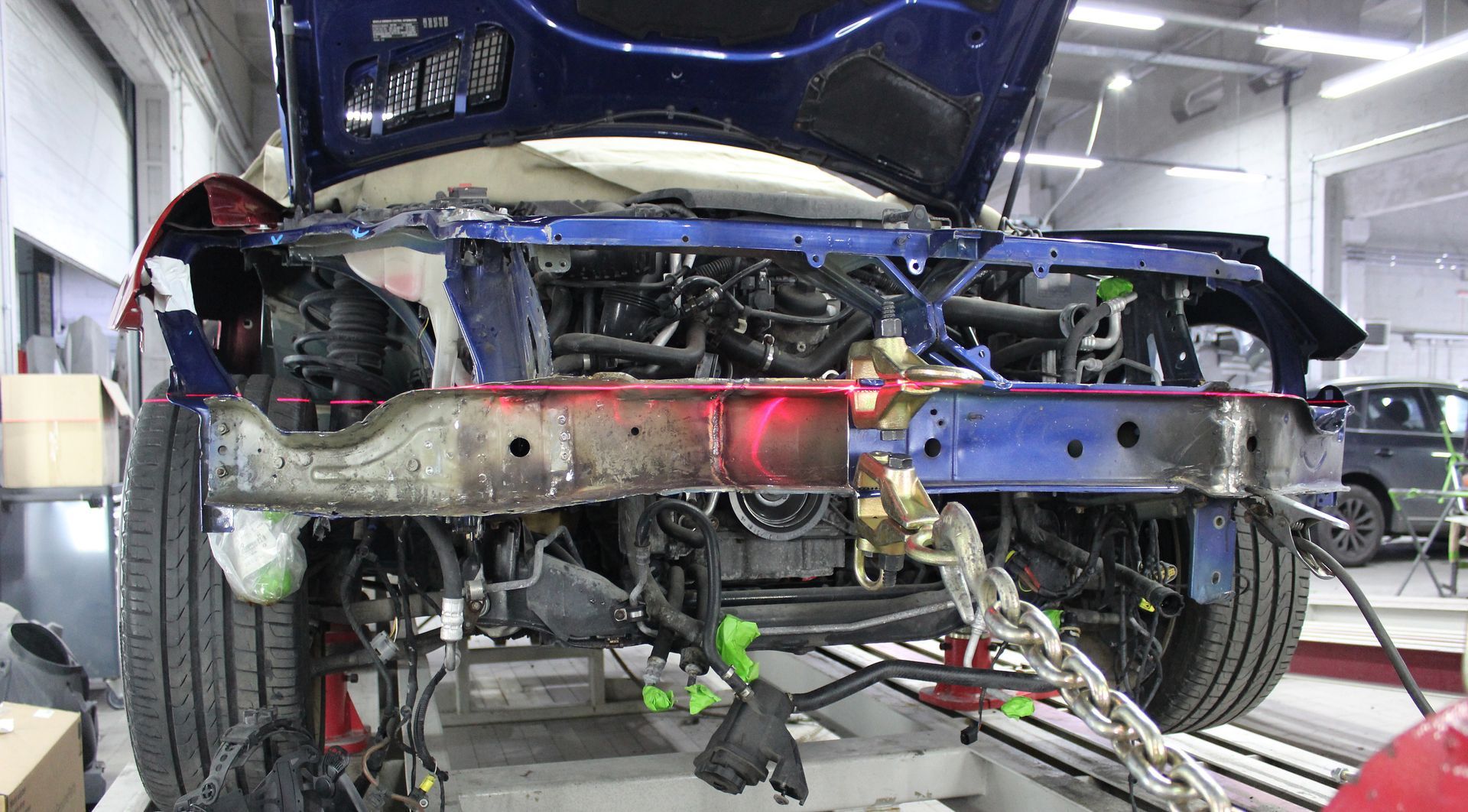
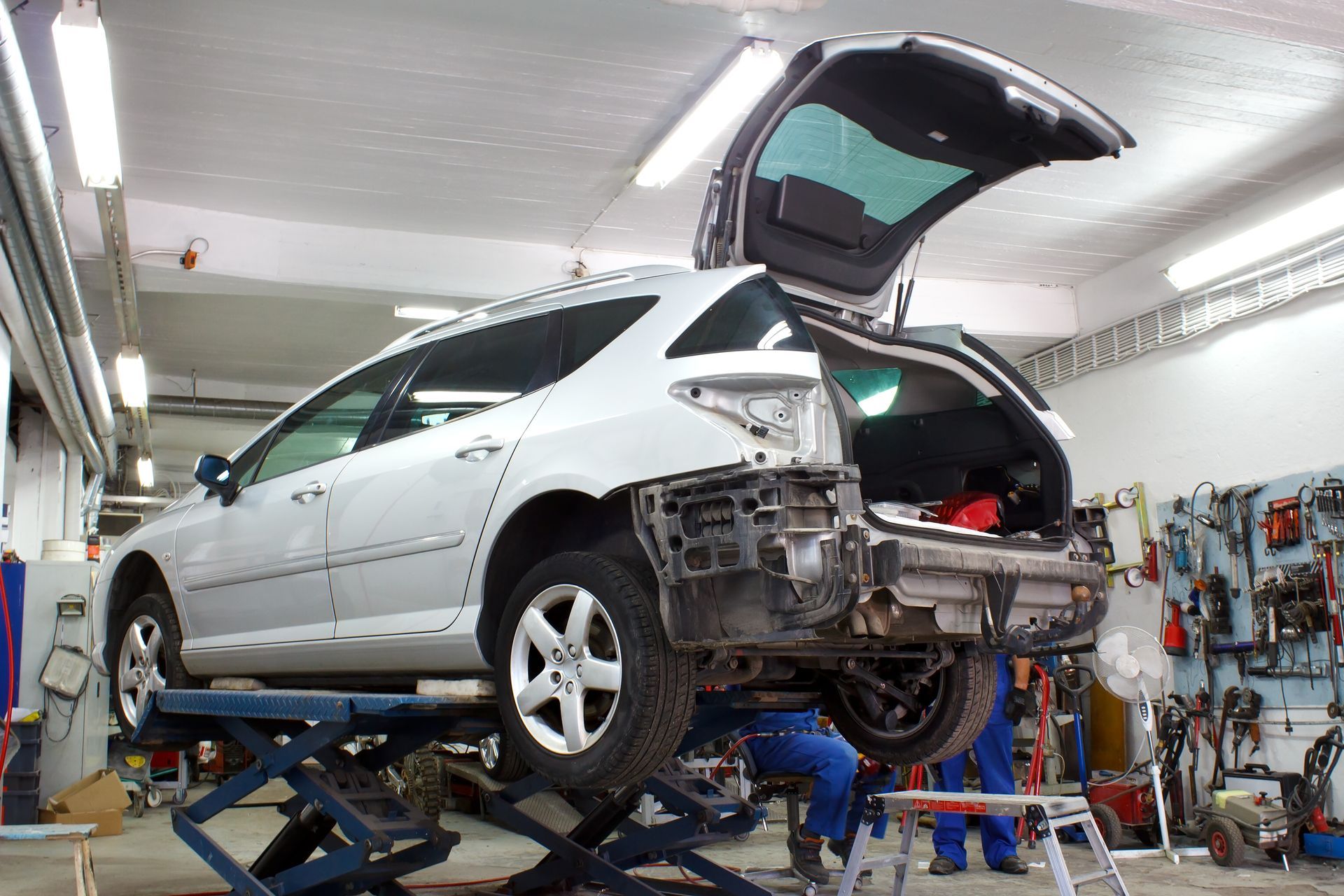
Not all winter damage is obvious from a quick walk around the car. Older bumper impacts, small parking lot taps, or poorly sealed previous repairs can leave thin or cracked seam sealer behind the paint. Cold weather and salt work their way into those seams and around welds that are already stressed.
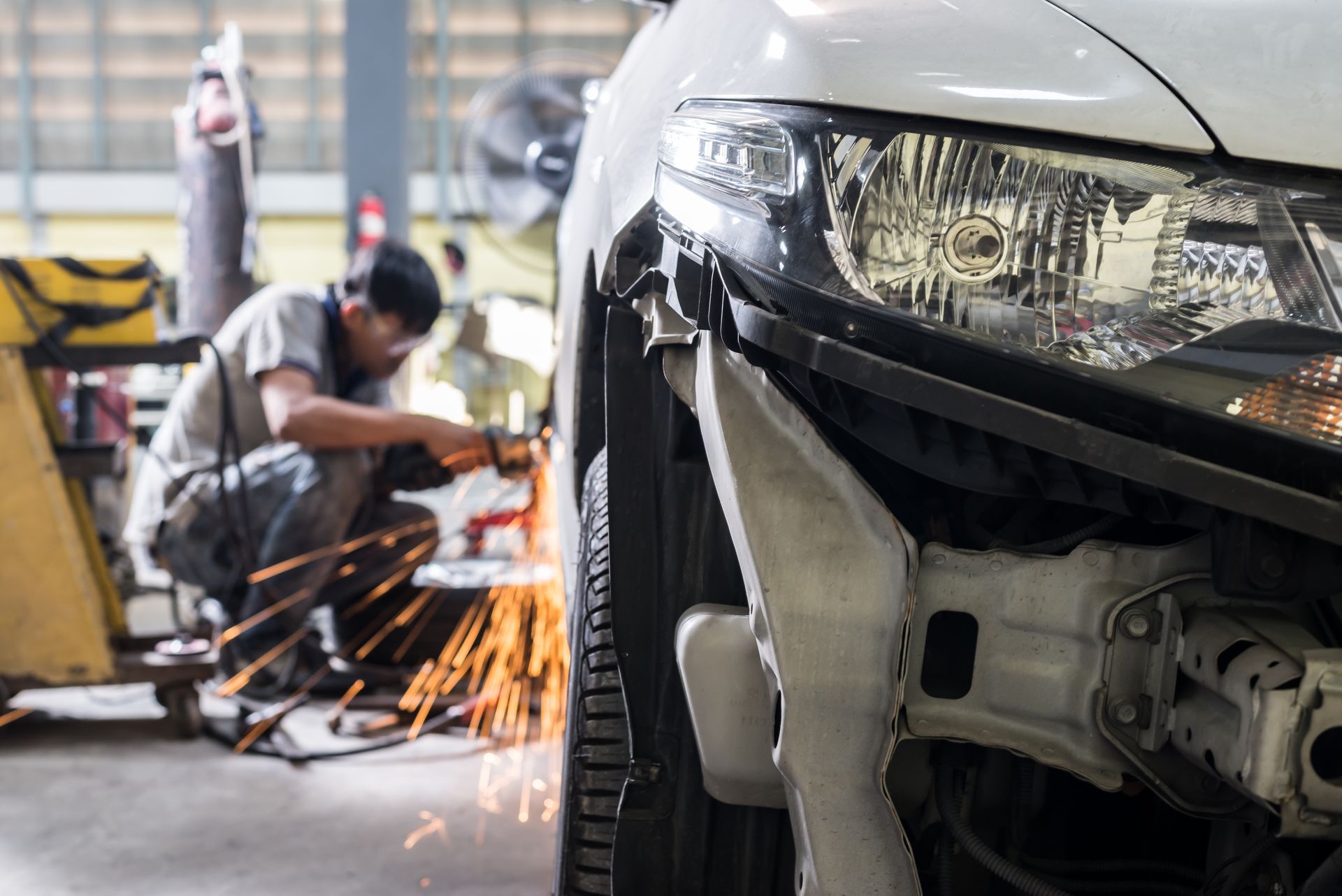
From the outside, you might see only a slightly misaligned bumper cover or a subtle ripple in a panel. Underneath, brackets, supports, and spot welds may be corroding. When we inspect collision damage in winter, we often find rusty hardware and weakened mounting points behind plastic parts that still look acceptable from the front.
Driver Habits That Make Body Damage Worse in Winter
Everyday choices can make a big difference in how fast winter damage spreads. Common habits that speed things up include:
- Ignoring small chips and scratches instead of touching them up before salt season
- Driving through deep, dirty slush and snowbanks that pack into wheel arches
- Skipping underbody and wheel well washes for months at a time
- Parking a salty, wet vehicle in a warm garage without rinsing it first
- Letting snow brushes or ice scrapers scrape across painted areas and trim
None of these guarantee rust, but together they give existing damage more chances to grow. A little extra care around problem spots can slow that process down.
When to Repair Body Damage Instead of Waiting for Spring
If you see bare metal, bubbling paint, or rust streaks around damaged areas, it is usually better to address them sooner rather than waiting for perfect weather. Cold temperatures can limit some types of refinishing, yet there are many repairs that can still be started or stabilized in winter. Even cleaning, treating, and sealing a damaged area properly can keep it from getting worse until a full refinish is done.
You should also consider repairing sooner if doors, hatches, or bumpers are misaligned after a previous hit. Gaps that are too tight can trap more moisture and salt, and loose panels tend to flex and crack finishes even more in the cold. An inspection now often means a simpler repair than waiting for things to rust through or split open.
Get Body and Collision Repair in Melvindale, Michigan with B & K Collision
We see firsthand how winter speeds up body damage and rust, especially on vehicles that already have chips, scrapes, or older collision repairs. We can inspect the affected areas, explain how far the damage has spread, and recommend repairs that stop corrosion before it gets out of control.
Call
B & K Collision in Melvindale, Michigan, to schedule a body and collision evaluation so winter weather does not shorten your vehicle’s life.