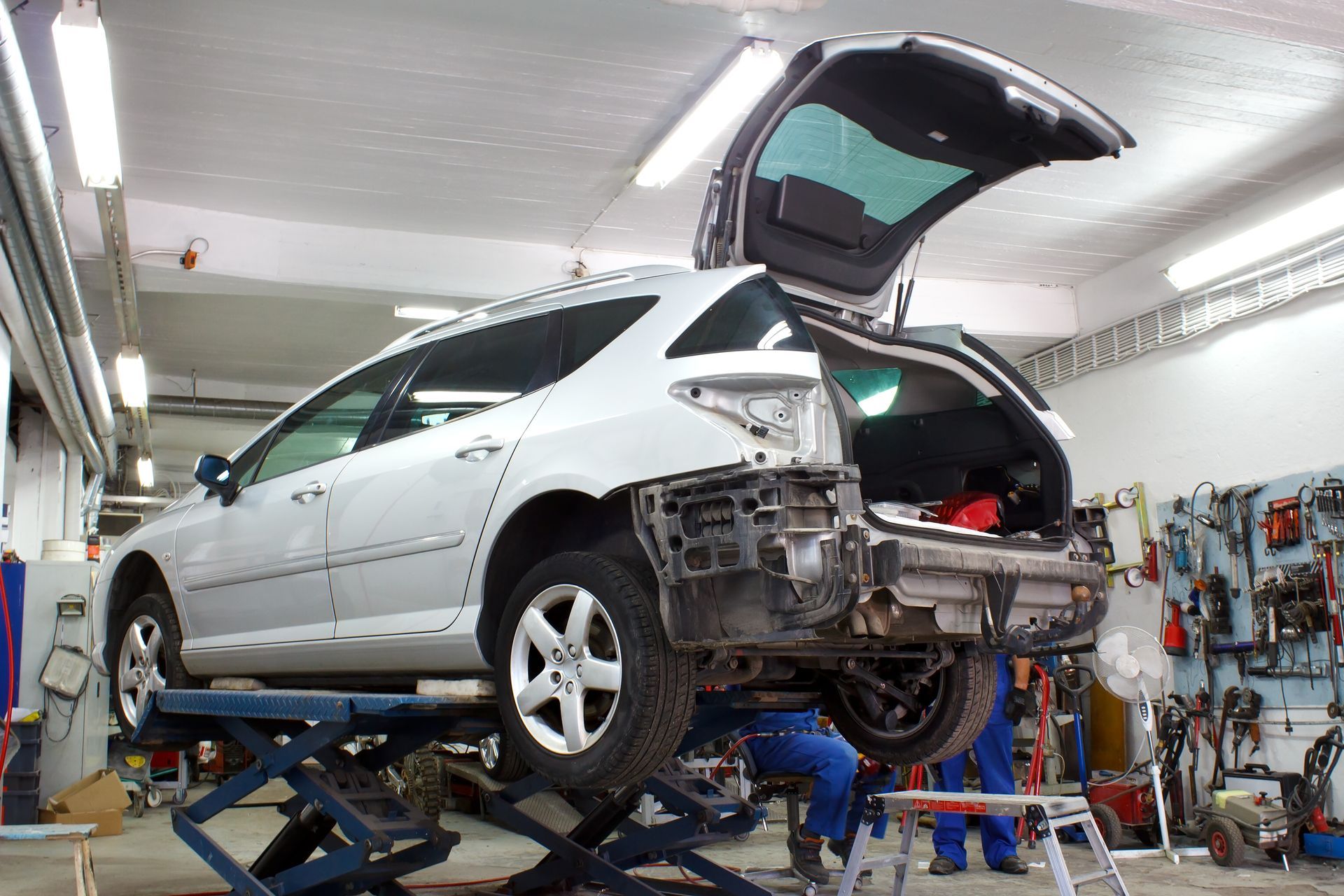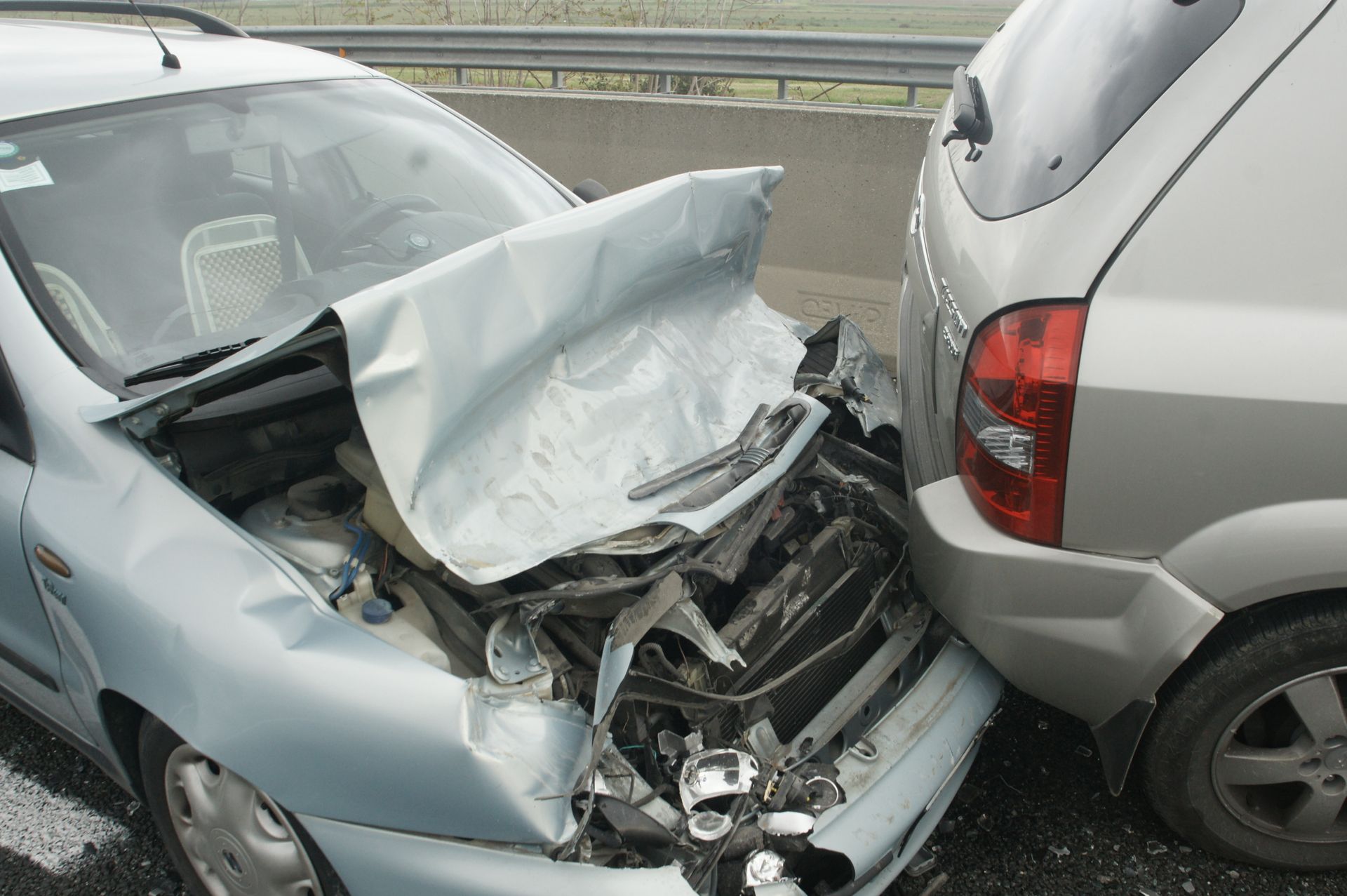
Hitting a deer is one of those accidents that happens fast and leaves you feeling rattled. Sometimes the car still drives, the bumper looks mostly intact, and you start thinking you can deal with it later. The issue is that deer strikes often damage parts behind the bumper cover, and those are the parts that control cooling, steering feel, lights, and a lot of modern safety tech.
When you are aware of what commonly gets missed, you can avoid driving around with hidden problems that turn into bigger repairs days later.
What To Do Right After The Impact
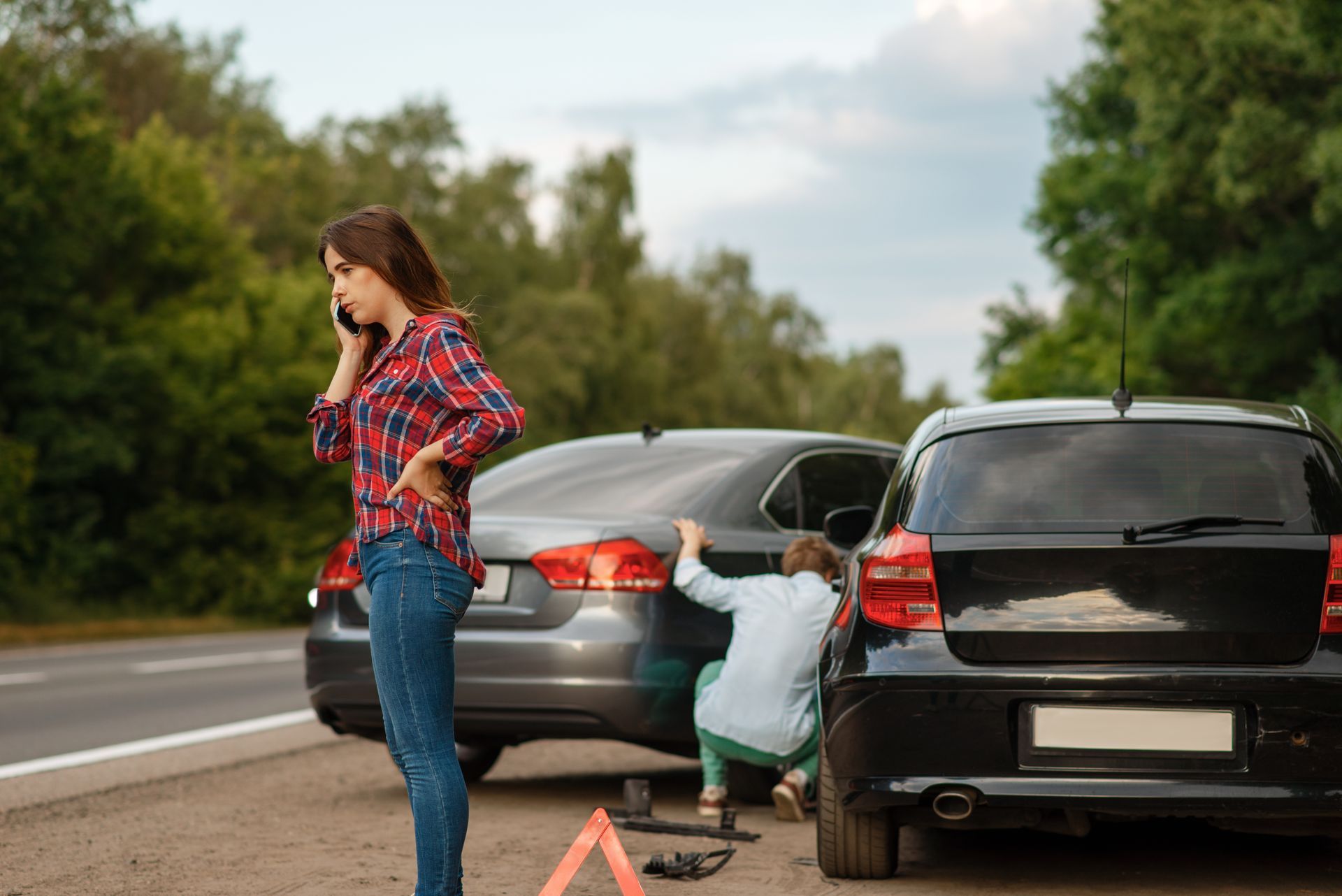
First, get yourself to a safe spot and check for injuries. Turn on hazards, look for leaking fluids, and be cautious around traffic. If the deer is in the roadway, avoid approaching it, as it may kick and cause injuries.
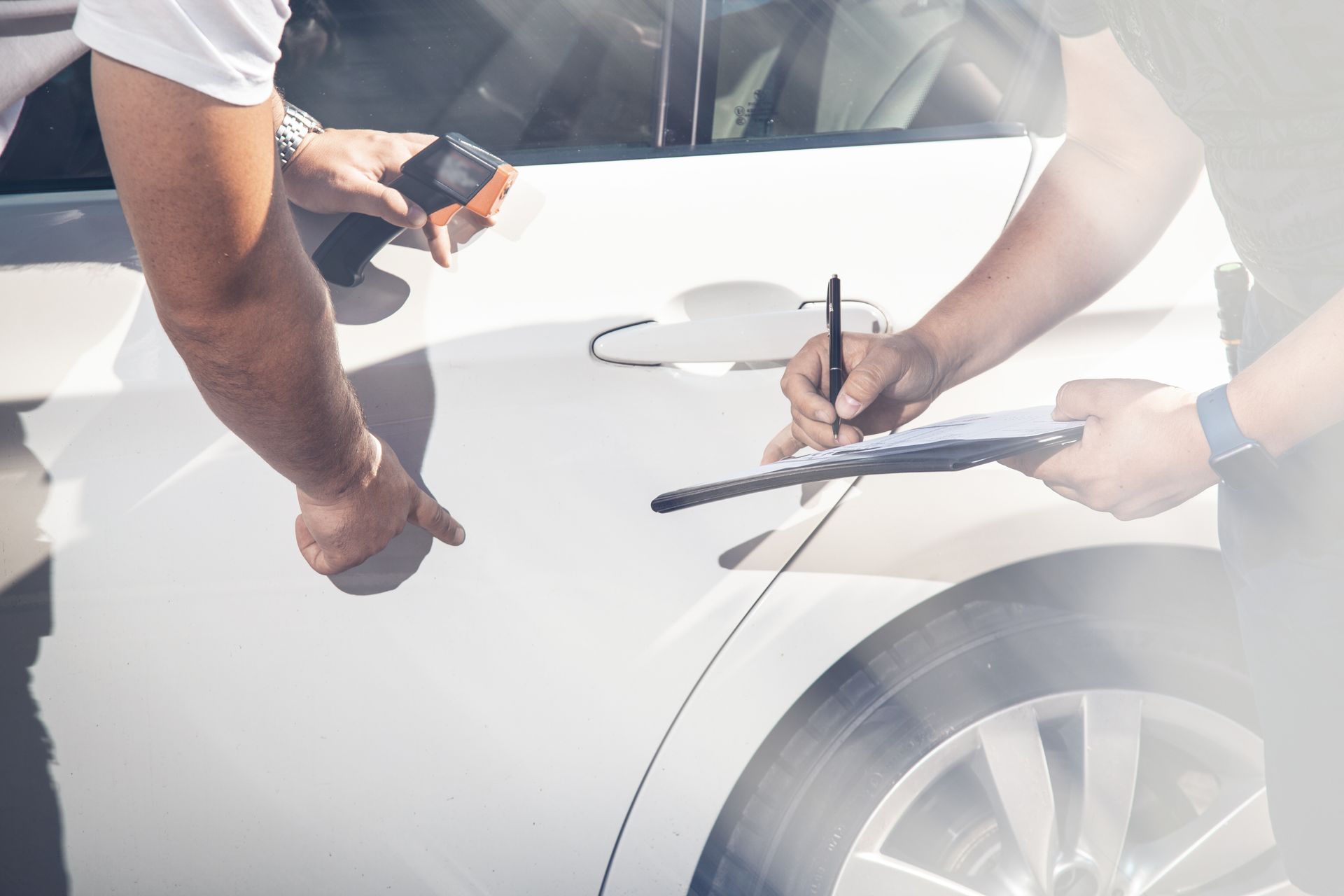
Once you’re safe, document the damage with photos and make notes about where and how it happened. If the car is still running, keep an eye on the temperature gauge and warning lights during the first few minutes. If you smell coolant, see steam, or notice the temperature rising, shut it down and arrange a tow.
Front End Damage That Hides Behind A Good Looking Bumper
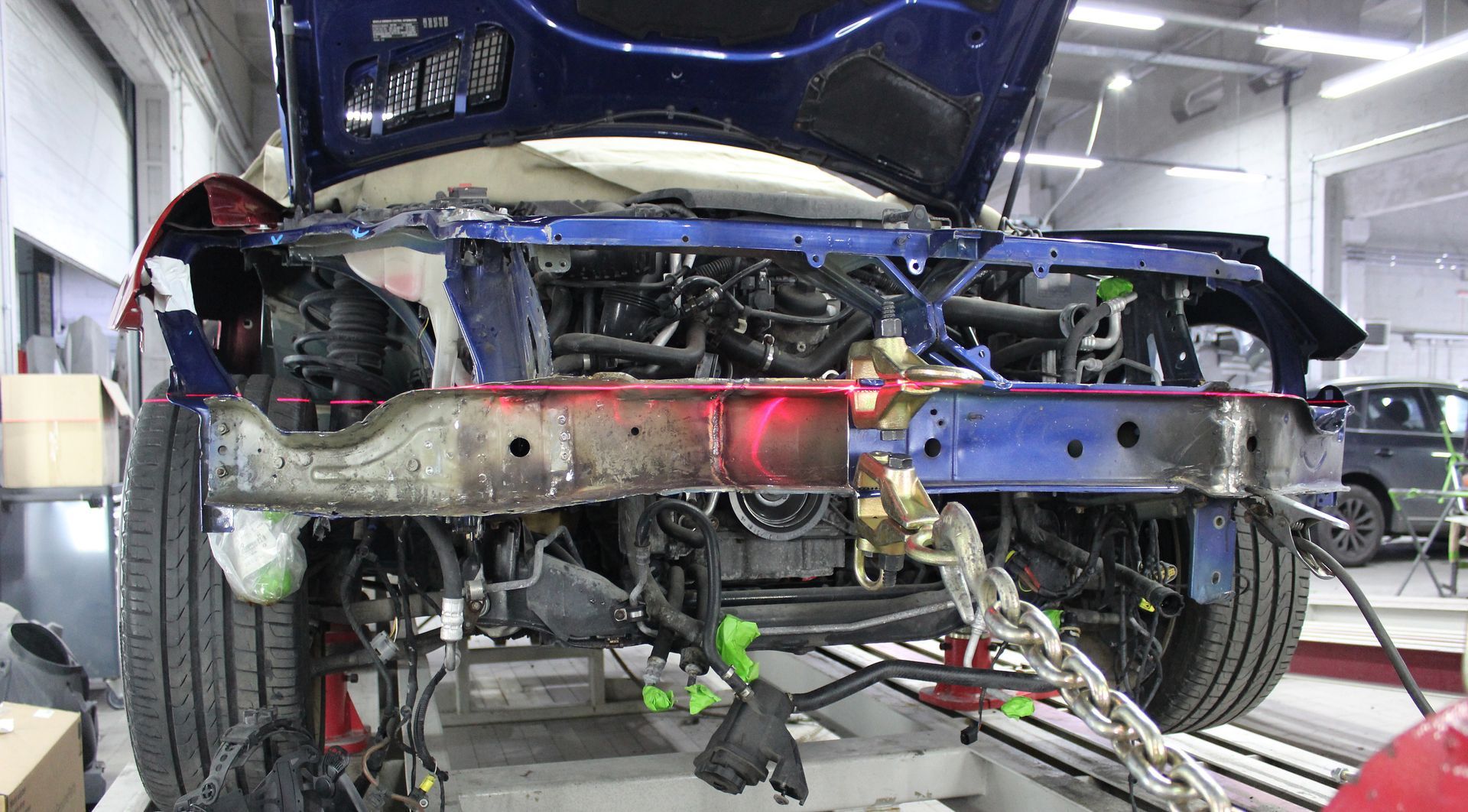
A bumper cover can spring back and still hide a lot of damage. The impact bar, bumper absorbers, and mounting points can be cracked or shifted even when the exterior looks decent. When that happens, the front end may not absorb energy the same way in a future collision.
Headlight mounts are another common one. The lens might look fine, but the housing tabs can break, leaving the light sitting slightly out of position. That can cause poor aim, moisture inside the housing, or wiring strain that shows up later as flickering or intermittent operation.
Hood edges and hood latch alignment also matter. If the hood no longer closes smoothly or the gaps look uneven, the latch area may have shifted. That’s not just cosmetic, because hood latches are a safety item.
Cooling And AC Parts That Fail Days Later
Radiators do not always crack dramatically. Sometimes the damage is a small split in a plastic tank, a bent fin section, or a pinched hose connection that starts weeping after a few heat cycles. The car might drive home fine, then slowly lose coolant over the next few days.
The air conditioning condenser sits in the same neighborhood and is easy to damage in a deer strike. A bent condenser can develop a leak, and you may not notice until the AC stops blowing cold or you start seeing oily residue near the front of the vehicle. Cooling fans and their shrouds can also get cracked, which can lead to overheating at idle, even though highway driving seems normal.
If you’re trying to do a quick check at home, look for these early clues:
- Coolant level dropping between drives
- Sweet smell after parking
- AC performance is weaker than before
- Wet spots or crusty residue behind the grille
- Temperature is creeping higher while sitting still
Steering, Suspension, And Alignment Issues To Watch For
A deer strike can push the front end just enough to affect alignment. Sometimes you’ll feel it as a pull, a steering wheel that sits off-center, or a car that feels less stable during lane changes. Even a small toe change can chew up a tire faster than most people expect.
Wheel and tire damage is also common if the hit caused a sudden swerve or curb contact. A bent rim can create a vibration at certain speeds, and an impact-bruised tire can develop a bulge later. Struts, control arms, and tie rods can also take a hit indirectly if the wheel is forced sideways during the event.
If the steering suddenly feels heavier, twitchier, or noisy over bumps, don’t assume it will settle back down. Those are the kinds of clues that usually mean something shifted or loosened.
Sensors, Lights, And Safety Systems That Get Knocked Out
Modern vehicles hide a surprising amount of tech in the front bumper area. Depending on the model, you may have radar sensors, parking sensors, active grille shutters, and wiring harnesses running through that space. If a harness stretches or a connector is damaged, you may not see warning lights immediately after the crash; they may appear days later.
We also see issues with fog lights, turn signal housings, and ground connections that cause electrical gremlins. Even if everything seems to work at first, moisture can get into a cracked housing or connector and create trouble after the next rain. And if your vehicle uses driver assist features, sensor positioning and calibration can matter after front-end repairs.
Owner Mistakes That Make Deer Damage More Expensive
One mistake is continuing to drive because the car feels okay. We’ve seen small cooling leaks turn into overheating because the driver kept doing errands for a week. Another mistake is focusing only on the visible body damage while ignoring what’s happening behind it, especially around cooling, lighting, and mounting points.
It’s also easy to miss tire and alignment issues because they can feel subtle at first. If the car pulls even a little or the steering wheel is off-center, get it checked sooner rather than later so you don’t burn through a new set of tires. And if you notice any fluid smell, steam, or temperature changes that aren't normal for your car, treat it as a priority.
Get Collision Repair in Melvindale, Michigan with B & K Collision
If you hit a deer and you’re not sure what’s damaged beyond the obvious, we can inspect the front end thoroughly and catch the hidden issues that tend to show up later. We’ll look at structural mounting points, lights, cooling components, and any signs of alignment or suspension problems so you’re not stuck dealing with surprises a week from now.
Visit
B & K Collision in Melvindale, Michigan, and we’ll help you get your vehicle repaired correctly and safely from the start.